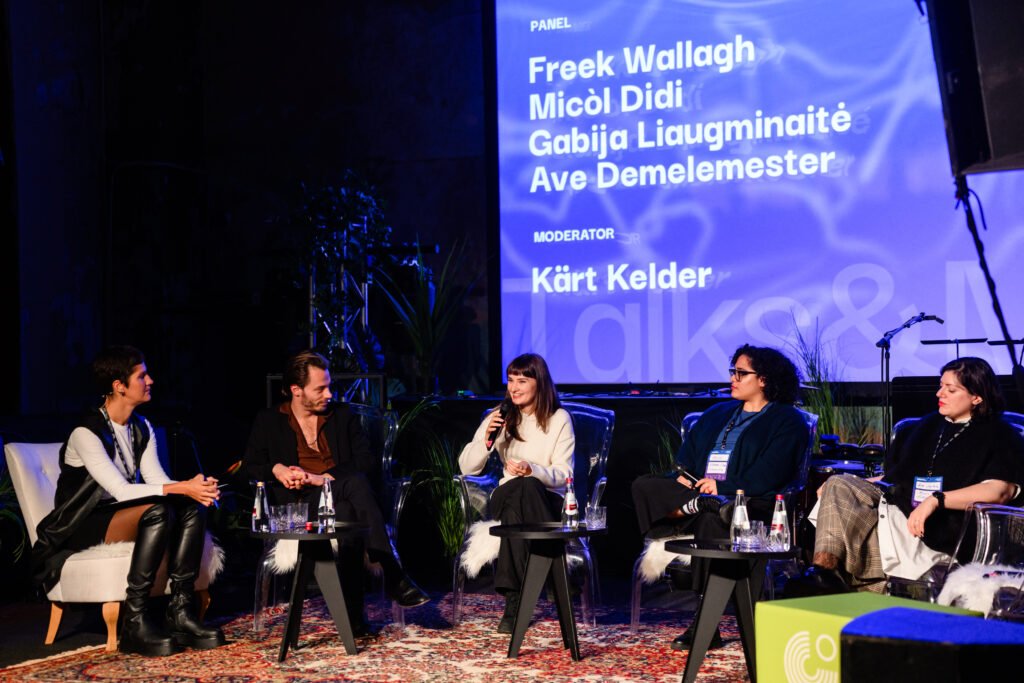
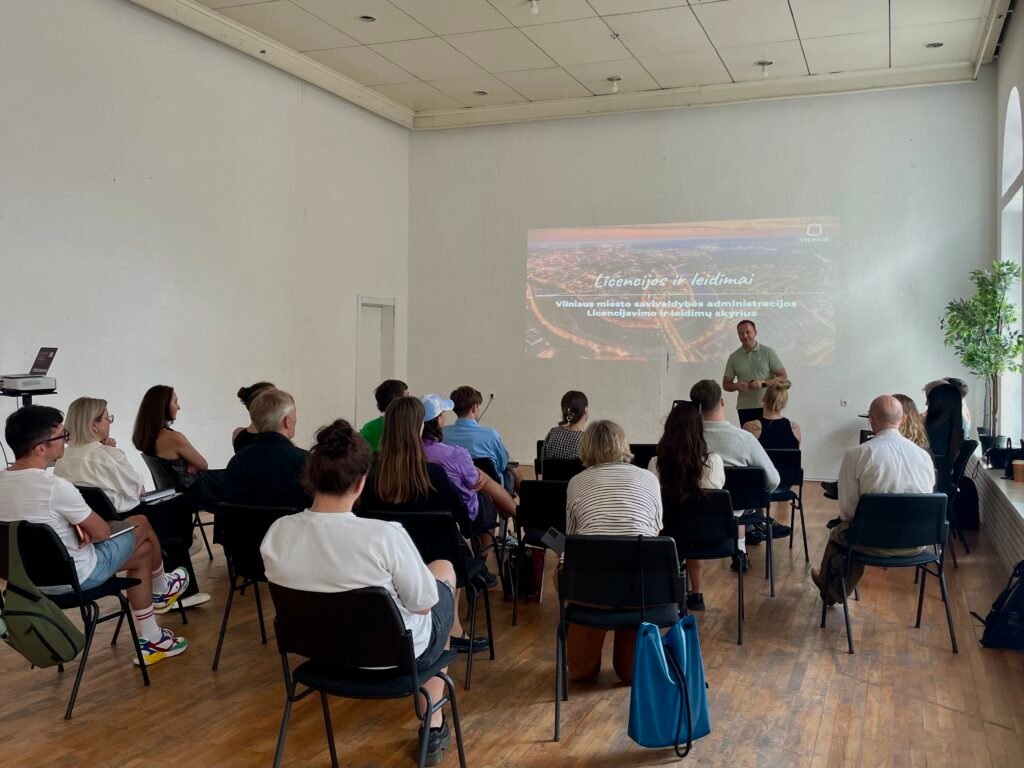
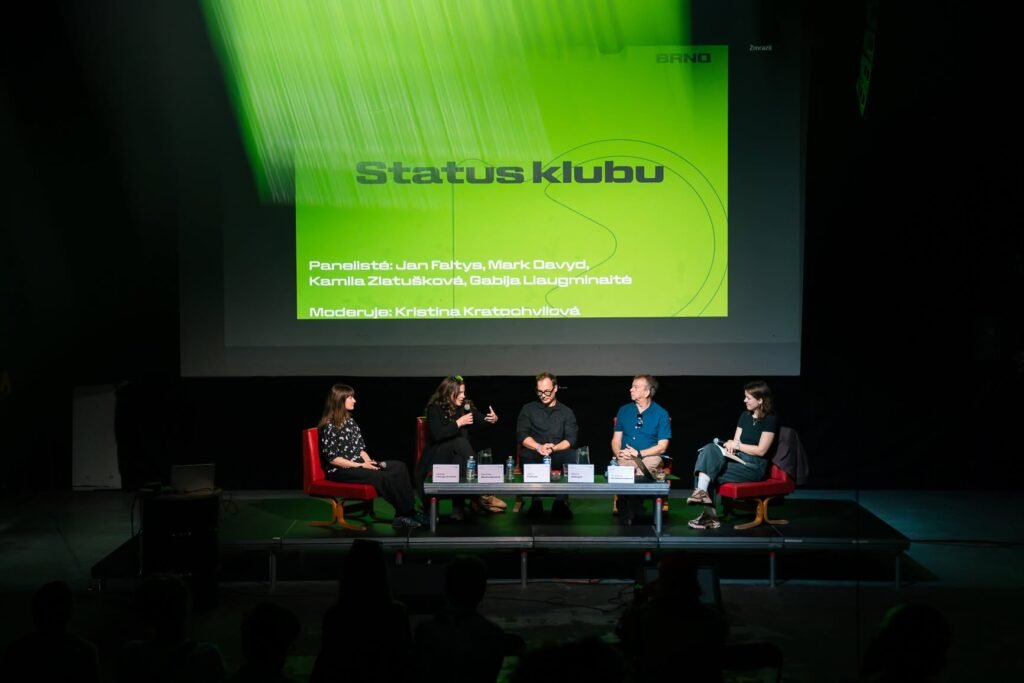
Is the night simply a time for entertainment, or is it becoming one of the key dimensions of urban policy? This question was at the heart of the Third Evening and Night-Time Forum Riga, which brought together representatives of local governments, cultural organisations, businesses, academia and civil society from across Europe. The Vilnius Night Office also took part in the forum.
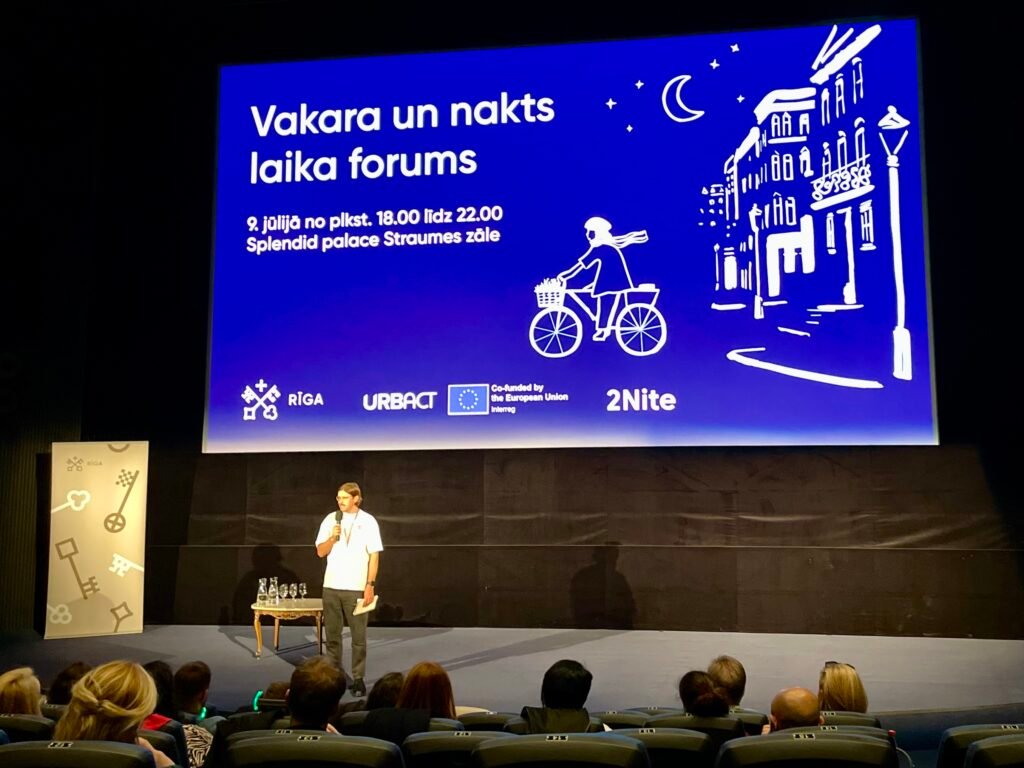
The night is more than an economy
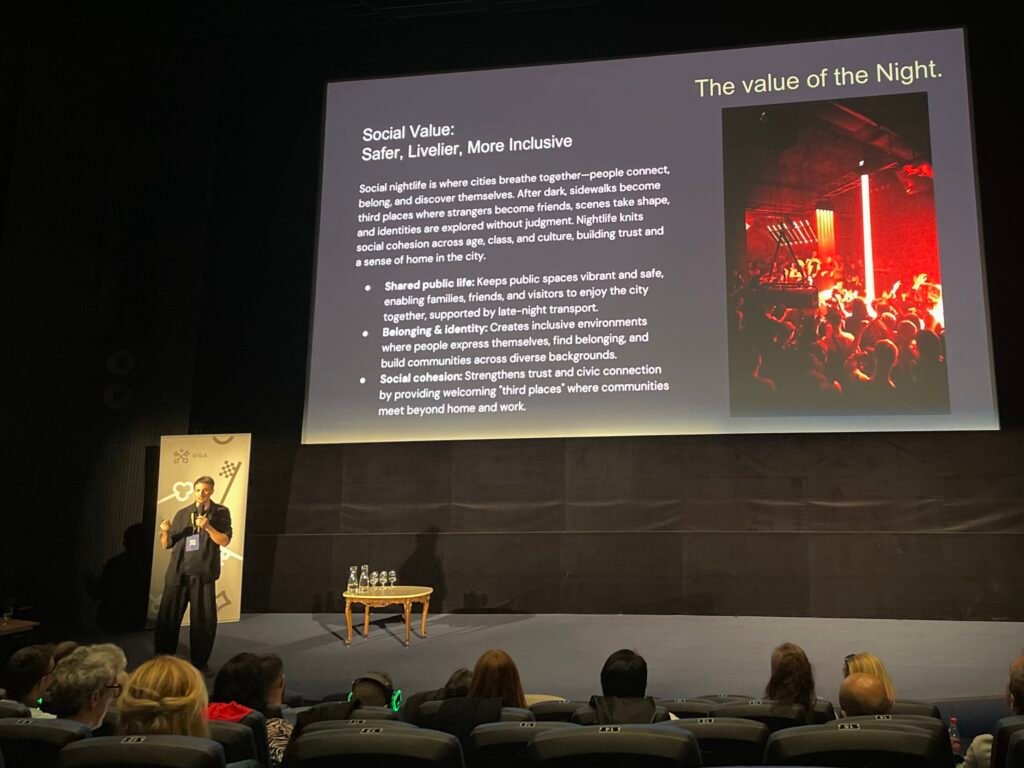
One of the forum’s key messages was that cities are increasingly recognising the night not only as an economic asset, but also as an important dimension of culture, community life, public health, mobility and urban planning.
Presentations highlighted research demonstrating the significant economic contribution of nightlife in cities such as London, New York and Berlin. At the same time, speakers stressed that the value of the night extends far beyond economic indicators. A vibrant evening and night-time environment strengthens cultural ecosystems, supports emerging artists, fosters social cohesion, attracts talent and enhances residents’ sense of belonging.
Experts also identified several global trends shaping the future of cities after dark, including climate change driving more activities into the evening hours, the growing recognition of clubs as cultural venues, changing leisure habits among younger generations, increased attention to loneliness and community wellbeing, and the need for better data to inform urban decision-making.
Governance starts with collaboration
A recurring theme throughout the forum was that successful night-time governance depends on collaboration rather than isolated decision-making.
The Cities After Dark project demonstrated how municipalities, cultural organisations, nightlife operators, police, public transport providers, universities and local communities can work together to create more vibrant, inclusive and resilient cities after dark.
The city of Braga presented several initiatives illustrating this approach, including evening tours, a city-wide night festival and community campaigns promoting responsible nightlife. These examples showed that culture can be an effective tool for reducing conflict and strengthening coexistence.
Riga’s evolving night-time strategy
Riga presented a number of initiatives implemented over the past year as part of its evening and night-time strategy.
These include the return of night bus services, more flexible regulation of outdoor terraces, new measures to reduce light pollution and ongoing work towards a dedicated entertainment noise framework that will give municipalities greater responsibility in managing cultural noise and sound insulation requirements.
The city also introduced the Kultūrvieta label to highlight authentic cultural venues across Riga and launched a grant programme encouraging businesses to collaborate on free public events.
Although Riga has not yet established a dedicated Night Office or Night Mayor, recent public surveys indicate that more than 80% of residents support creating such a coordinating role.
Safer public spaces through stronger communities
The second part of the forum focused on the 2NITE URBACT project, which explores how cities can improve the perception of safety in public spaces during the evening and night.
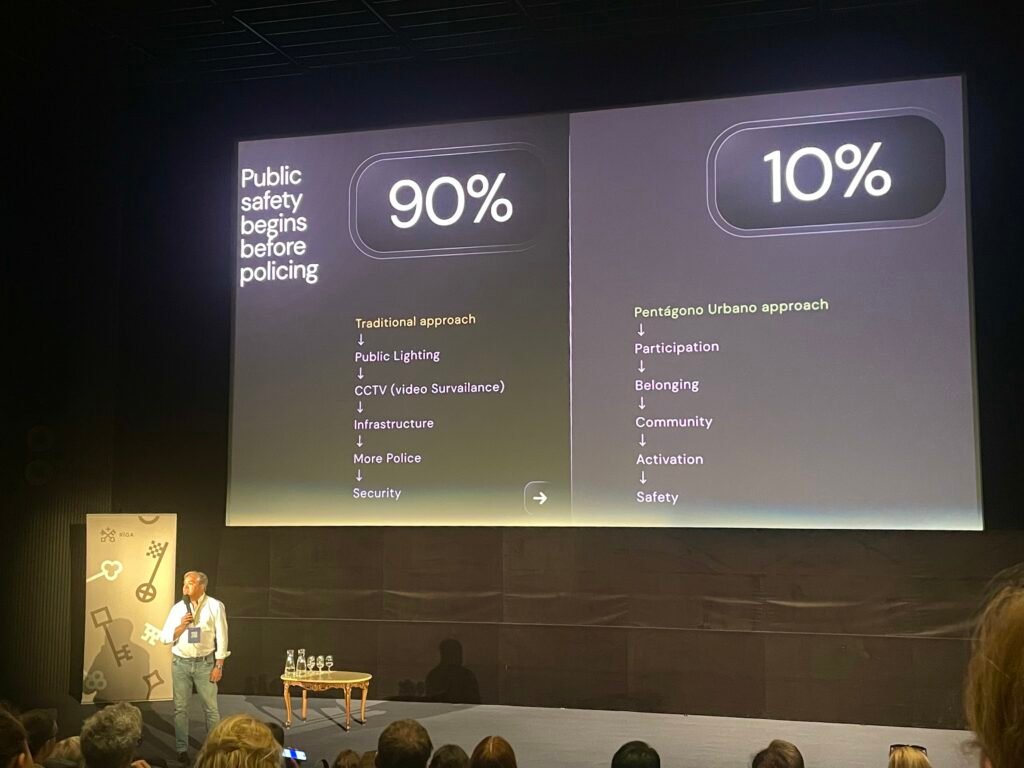
Experiences from Turin, Riga, Cluj-Napoca, Sant Boi de Llobregat and other European cities demonstrated that safer public spaces depend not only on infrastructure or lighting, but also on active communities, participatory planning and opportunities for residents to shape their own neighbourhoods.
Several case studies showed how community-led events, local storytelling, participatory workshops and temporary public space interventions helped strengthen trust between residents and increase their sense of safety.
Inclusion as an essential part of the night
The forum also explored topics that are becoming increasingly important in discussions about urban nightlife.
Sessions addressed bystander responsibility in preventing violence against women, accessibility for people with disabilities, the needs of young people, the ecological impact of artificial lighting and even the role of bats in urban ecosystems.
Together, these discussions reinforced the idea that contemporary night-time policy extends far beyond nightlife venues. It is about creating cities that remain accessible, inclusive, safe and welcoming for everyone after dark.
What does this mean for Vilnius?
The discussions in Riga confirmed a direction that is already shaping policy across many European cities: the night is increasingly understood as a cross-cutting urban policy issue rather than simply an economic or public order concern.
Many of the practices presented during the forum—including community engagement, support for cultural venues, improvements to night-time mobility, balanced approaches to cultural noise and evidence-based policymaking—align closely with the priorities currently being developed by the Vilnius Night Office together with its partners.