How can small live music venues be protected? How can politicians be convinced that music is an investment rather than an expense? And how can a growing city ensure that artists are not pushed out while residents and nightlife continue to coexist?
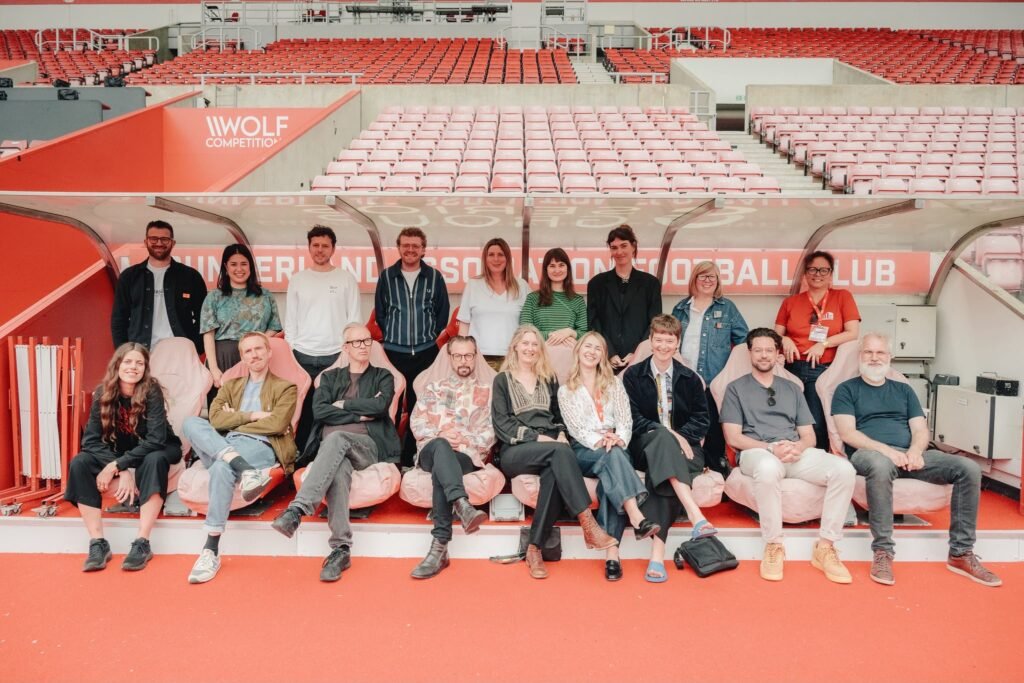
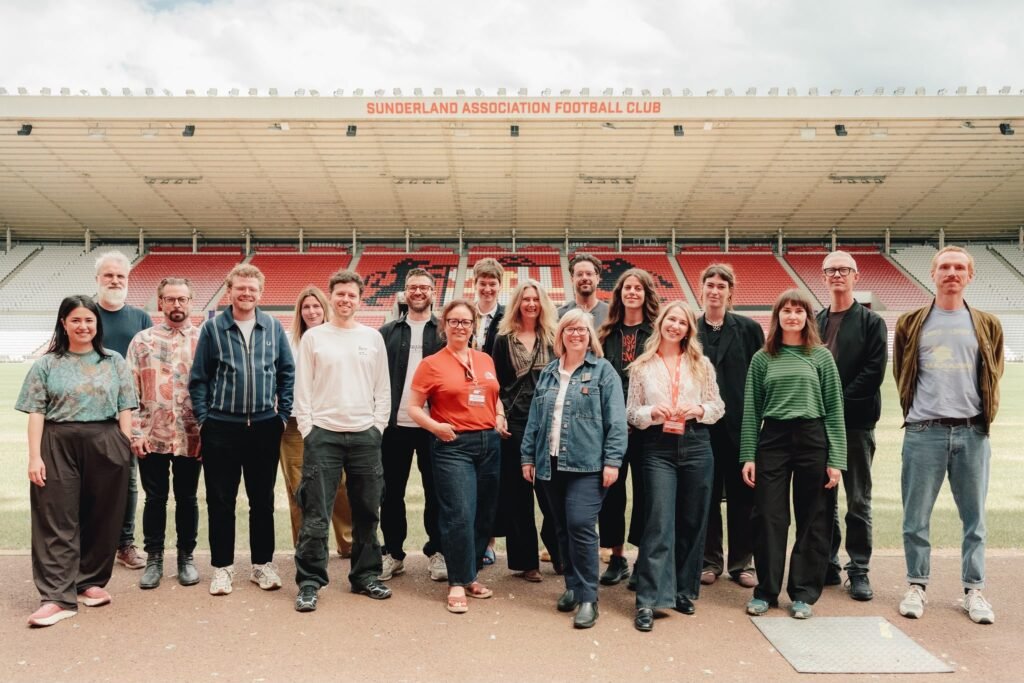
These are questions facing cities around the world today. On 19–20 June, representatives from more than twenty cities gathered in Sunderland, United Kingdom, for the annual Music Cities Network Summer Summit to exchange ideas and explore solutions. Among them was the Vilnius Night Office.
Over two days of workshops, cities shared practical approaches rather than theory – from multi-million investments in creative spaces and new approaches to noise management to data-driven music policies and long-term strategies designed to support local artists and live music venues. Many of these challenges are familiar to Vilnius, making the experiences of other cities a valuable source of inspiration for future work.
Music policy begins with data
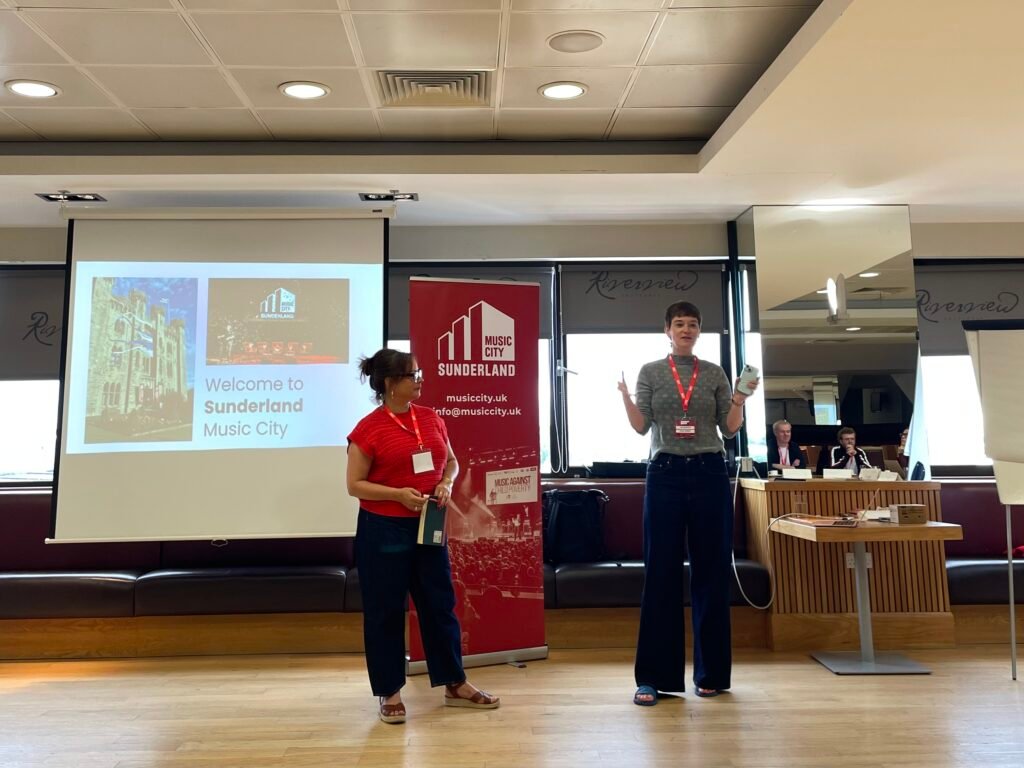
One of the strongest messages of this year’s summit was that effective music policy starts with evidence. As host of the 2026 Music Cities Network Summer Summit, Sunderland presented the research that underpins its Music City strategy. Before developing the strategy, the city surveyed more than 500 residents and conducted 20 in-depth interviews with representatives of its music ecosystem, including venue operators, artists, promoters, universities and other stakeholders. The research identified eight strategic priorities for the city’s development, including wellbeing, diversity, education, talent development and strengthening the local music industry.
Sydney presented another compelling example. For years, the city has systematically monitored changes in its creative spaces, analysing how commercial properties are used, how many people are employed in the creative industries and how these trends evolve over time. Over the past decade, Sydney has lost approximately 15,000 square metres of creative space and around 12% of its artists. These findings helped justify significant public investment in new creative workspaces, with the city now allocating around AUD 1 million annually to support their development.
Another innovative initiative is Sydney’s digital twin – a virtual model of the city that allows planners to analyse changes in music infrastructure and the concentration of creative industries every five years.
Together, these examples demonstrate that recognising a problem is only the first step. Meaningful policy requires reliable data that can clearly demonstrate both challenges and opportunities.
Small live music venues face the same challenges everywhere
Although every city is different, the challenges facing grassroots music venues are remarkably similar. Research presented by Manchester Music City found that the city is home to more than 200 venues programming live music, attracting millions of visitors every year. Yet independent venues continue to face mounting pressures, including reduced income following the pandemic, rising operating costs, recruitment challenges and increasing pressure from residential and commercial development.
In response, Manchester has developed more than twenty recommendations aimed at strengthening the sector, including long-term municipal funding, the creation of a city-wide grassroots music venue network, stronger business support and a greater focus on today’s music scene rather than solely celebrating musical heritage.
These discussions strongly resonate with Vilnius, where the Vilnius Night Office is now in its second year of developing the Dainyklos grassroots music venue network. International examples demonstrate that long-term support for independent venues is becoming an increasingly common element of urban music policy.
Noise is not only a Vilnius issue
Noise management was another recurring topic throughout the summit. Representatives from Valencia shared the city’s recent experience, where court rulings forced several major festivals to relocate or significantly change their operating models. One festival was only permitted to proceed under strict sound limitations, while another was cancelled shortly before it was due to begin.
Discussions also highlighted how approaches vary between countries. In some places, a single complaint is sufficient to trigger official action, while elsewhere several complaints are required. Despite these differences, participants agreed on one point: restrictions alone rarely solve conflicts.
Instead, many cities are placing greater emphasis on prevention through early communication with residents, neighbourhood meetings, clear permitting conditions, mediation between organisers and local authorities, and carefully planned noise mitigation measures. This approach closely reflects the direction being taken in Vilnius, where dialogue between nightlife venues, residents and the municipality has become an increasingly important part of nightlife policy.
Cities are beginning to protect creative spaces
Another clear trend emerging across Europe is that cities are no longer investing only in events—they are also protecting the physical spaces where culture is created.
In Aarhus, construction is nearing completion on Sound City Aarhus, a new hub for music production and the music business that will form part of a wider creative district. As part of the development, the municipality secured dedicated cultural spaces with below-market rents and lease agreements lasting up to twelve years, giving artists and creative organisations the stability needed to build long-term careers without being displaced by rising property prices.
Hamburg demonstrated another important lesson: the music sector must maintain continuous dialogue with policymakers. The city is currently developing its 2025–2030 music strategy, focusing on music tourism, exports, workforce development, innovation and creative spaces. The strategy is being shaped not only by cultural organisations, but also by businesses, the Chamber of Commerce and tourism partners.
International collaboration is about more than conferences
The summit also provided an opportunity to develop future Music Cities Network collaborations and introduce the new MCN Academy training programme, covering topics such as international touring, music export, artist management, music publishing, digital marketing and the growing role of artificial intelligence in the music sector.
For the Vilnius Night Office, gatherings such as this are about much more than exchanging ideas. They create opportunities to build long-term partnerships that can develop into international projects, joint research and new initiatives benefiting Vilnius.
This year’s summit once again demonstrated that music cities around the world face many of the same challenges. While the scale may differ, the most successful solutions are built on the same foundations: long-term strategy, collaboration, evidence-based policymaking and sustained investment in people and places.
These are the same principles that continue to shape the future of Vilnius.