From 9–12 April, Vilnius Night Office project manager Gabija Liaugminaitė attended Tallinn Music Week in Estonia, where she represented Vilnius and its music ecosystem. The aim of the visit was not only to present Vilnius in an international context, but also to gain ideas and knowledge from different European cities working in music, culture and nightlife.
Tallinn Music Week is one of the most important music industry events in the Nordic-Baltic region. Every year, the festival brings together around 20,000 visitors and more than 1,000 music professionals. Tallinn’s concert halls, clubs and unexpected urban spaces host everything from experimental electronica and rap to folktronica, jazz and classical music. At the same time, it is an important place to meet, exchange experiences and look for answers to the questions facing music cities today.
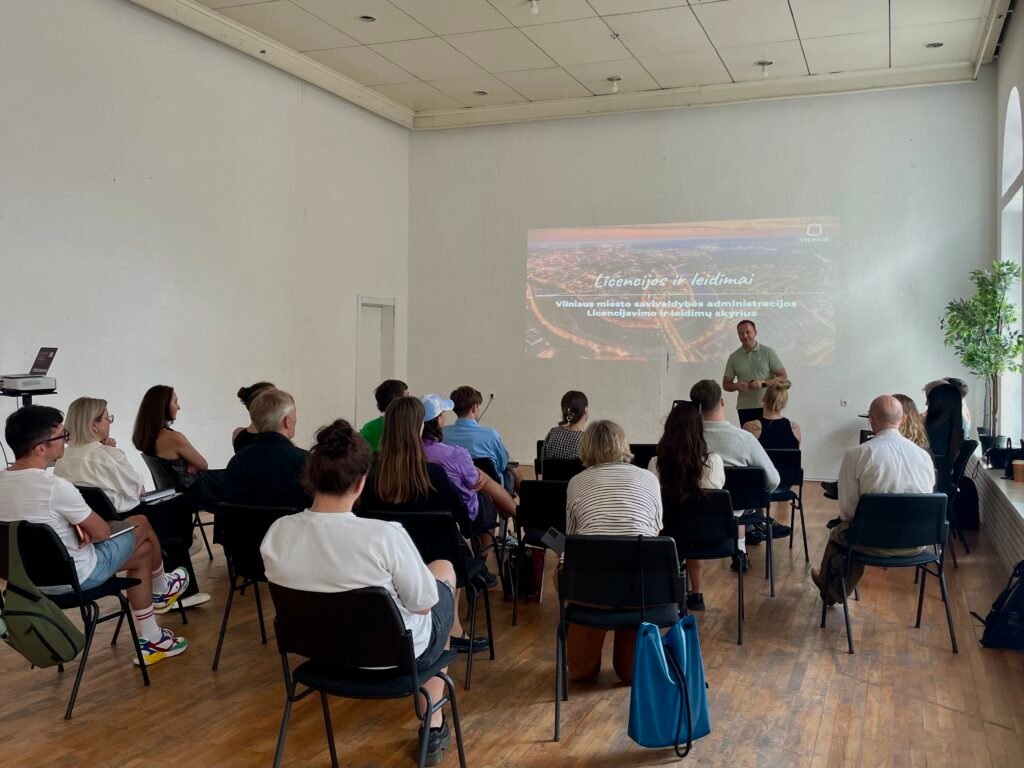
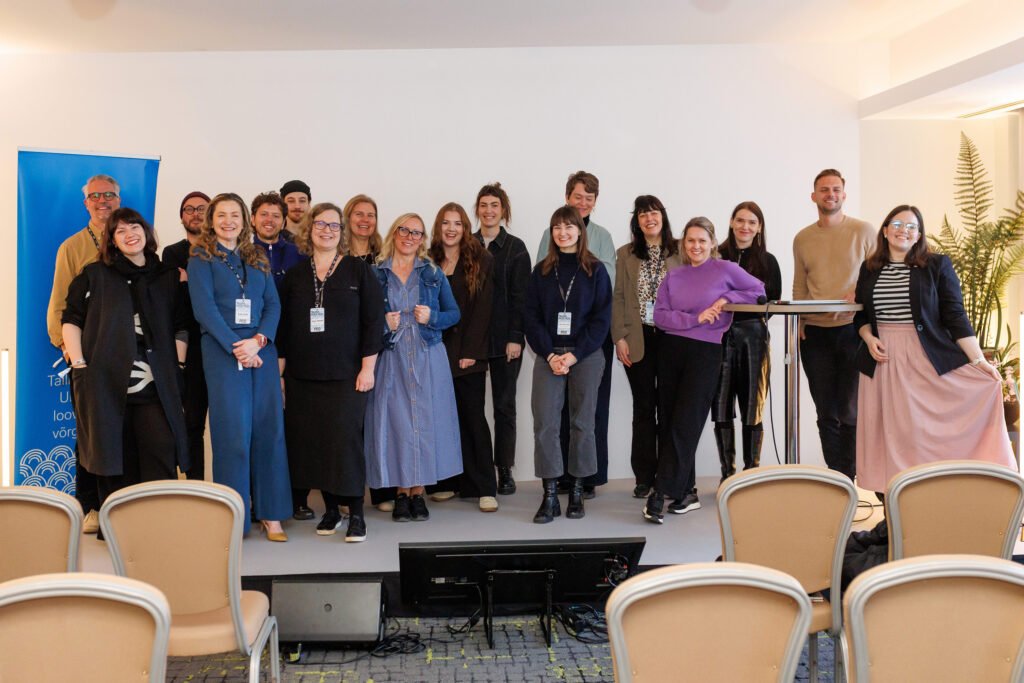
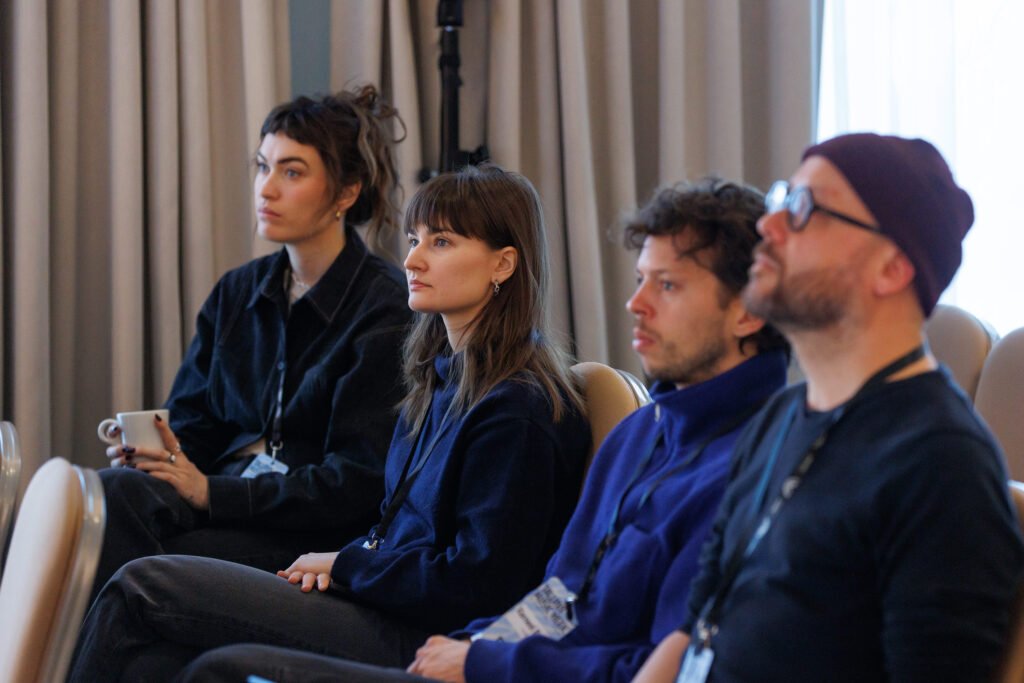
Gabija took part in a joint session between UNESCO Cities of Music and Music Cities Network. During the workshop, city representatives from across Europe discussed the challenges facing music scenes today: globalisation, gentrification, climate change, war, changing audience habits, pressure on cultural spaces and increasingly difficult conditions for artists.
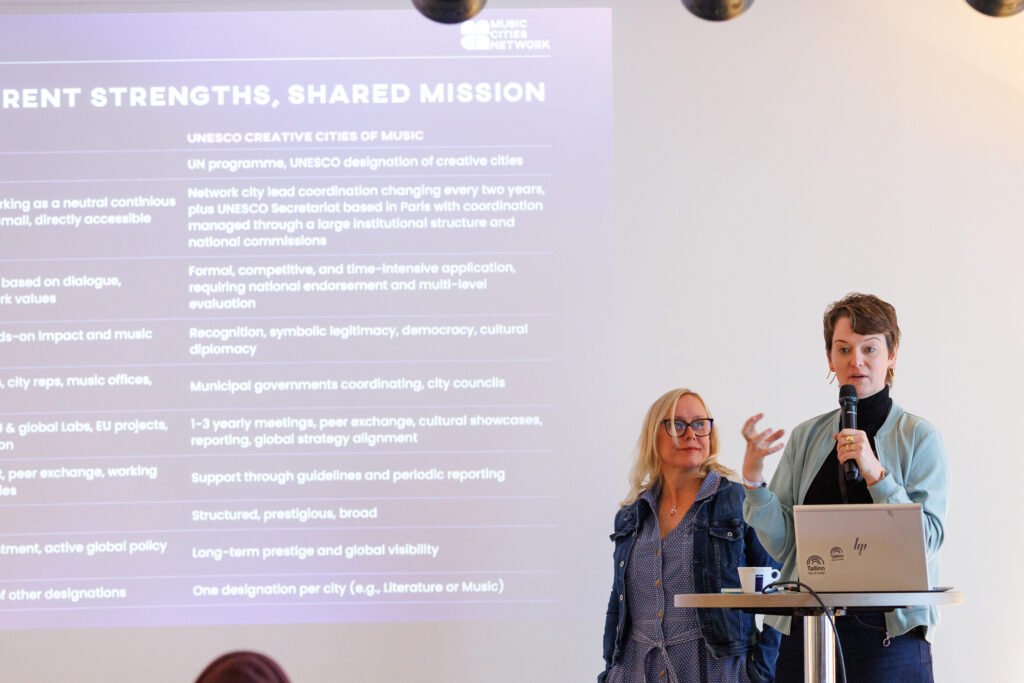
Although both organisations aim to strengthen music ecosystems, the discussions highlighted that their roles are different and complementary. Music Cities Network is an independent, hands-on network in which cities and organisations work together on cultural policy, share experiences and initiate joint projects. UNESCO Cities of Music, meanwhile, operate on a more diplomatic level – cities must meet strict criteria to receive this status, and then use it to strengthen political support for music, culture, democracy and international cooperation.
The workshop programme ranged from introductory discussions about the role of the two networks within one ecosystem to a Tallinn case study and practical sessions on resilient music ecosystems. One of the clearest conclusions was that cities cannot solve these challenges alone. Cooperation between cities and networks is essential if we want to build a vibrant, sustainable and open future for music.
After the workshop, participants took part in a tour of Tallinn’s music venues. The group visited both historical and contemporary places where the city’s musical life takes shape. One of the highlights was the House of the Blackheads, a historic building that has now been adapted for concerts, rehearsals and contemporary culture. It was a great example of how heritage and living urban culture can be thoughtfully combined.
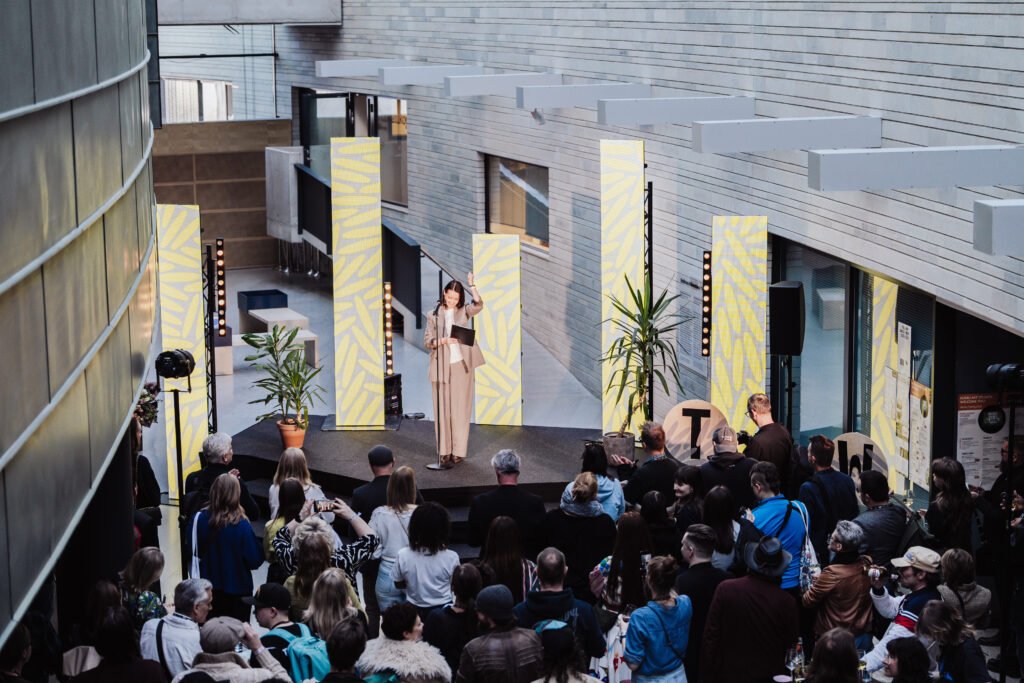
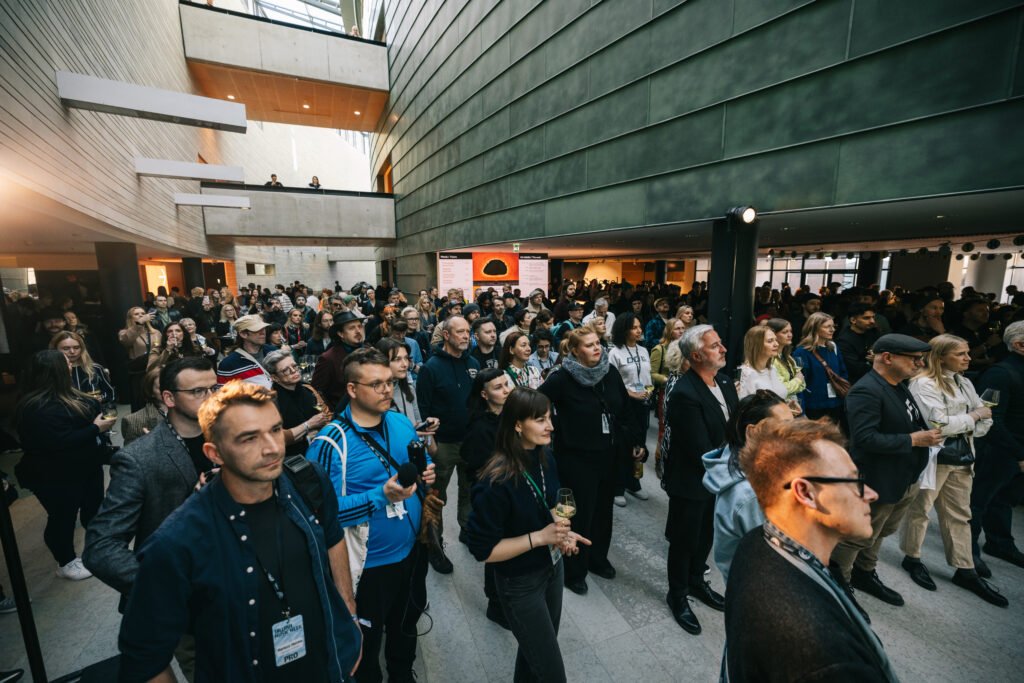
The festival opening provided the perfect beginning to the weekend. It was opened by Tallinn Music Week founder Helen Sildna, who has been organising the festival since 2009. Also appearing on stage were the director of KUMU Museum, a representative of the international equality initiative Keychange, and a representative of Music Estonia. The evening ended with an unexpected but very fitting DJ set by former Estonian president Toomas Hendrik Ilves and his former adviser Andres Vosman, better known as DJ Drummie.
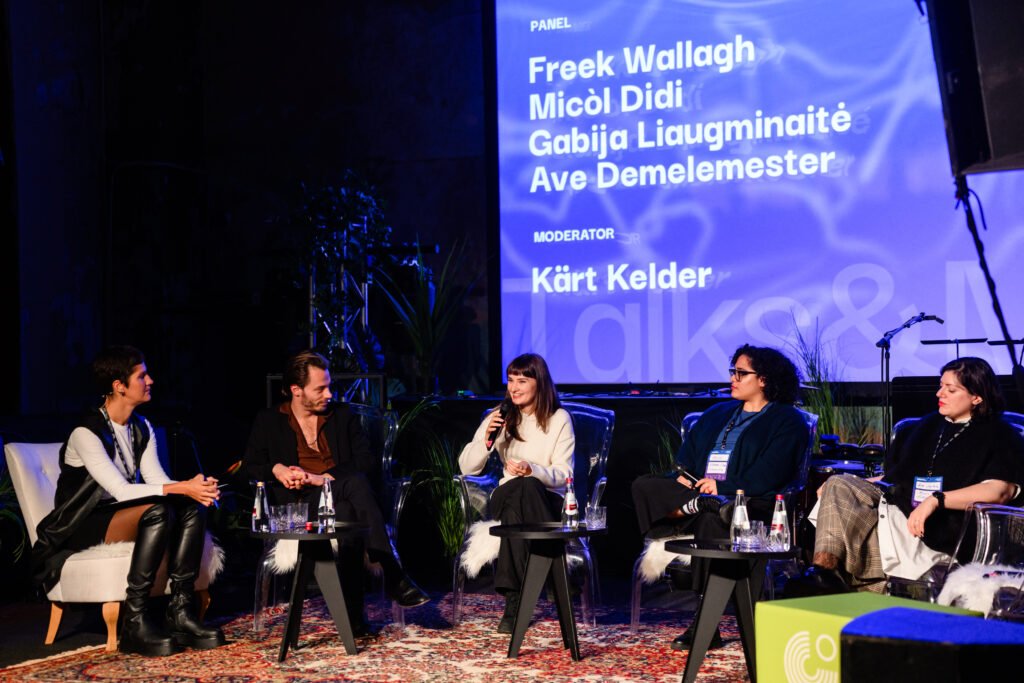
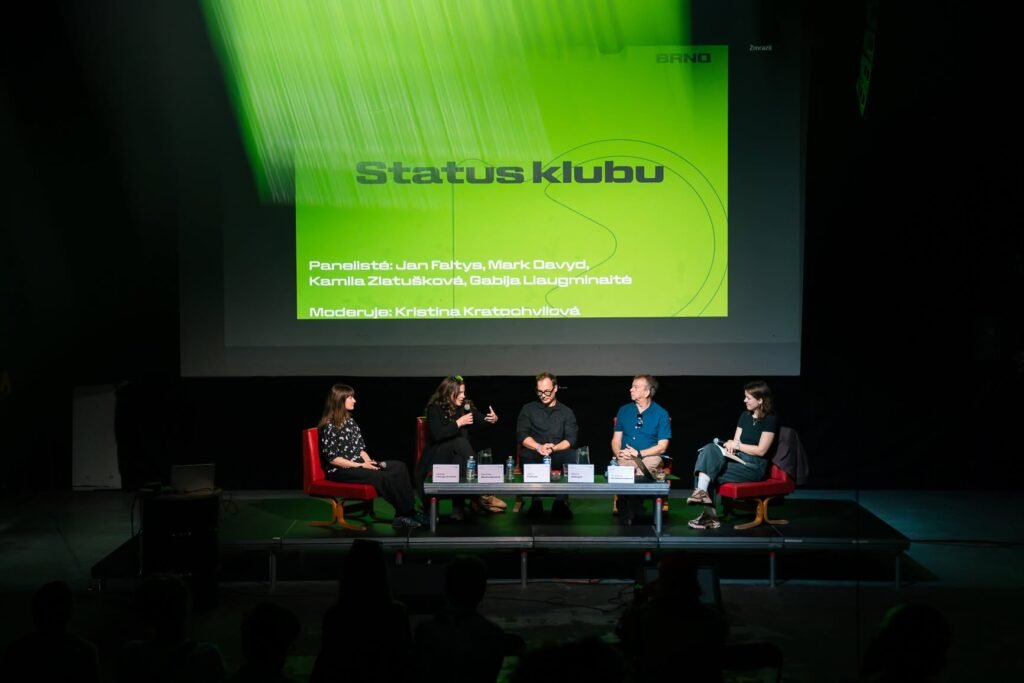
On 10 April, Gabija also took part in the public panel “Resilient Music Ecosystems: How City Networks Connect Local Action with European Responsibility”. Together with representatives from Mannheim, Glasgow, Norrköping, Tallinn and Music Cities Network, she discussed how cities can help music scenes grow and remain resilient. The discussion touched on infrastructure shortages, the needs of artists, sustainability, equality and the ways local solutions can become relevant on a European scale.
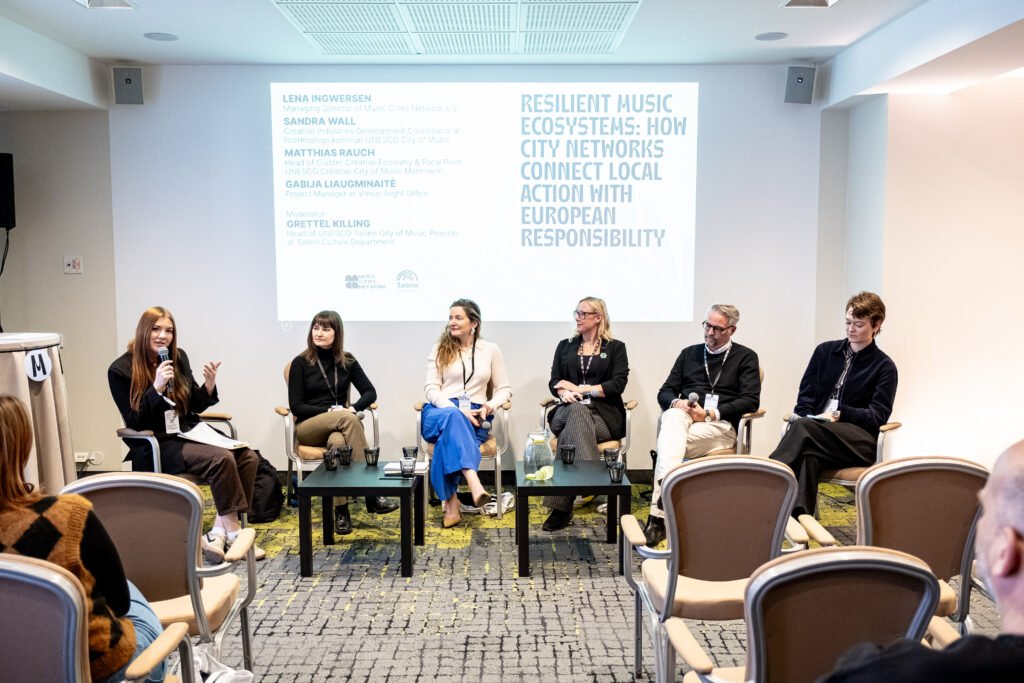
The main point everyone agreed on was clear: cities can do much more than is often assumed. Strong cultural policy, support for music venues, help for artists and openness to new ideas can significantly shape a city. Music is not just entertainment – it creates community, vitality and a city where people want to be.
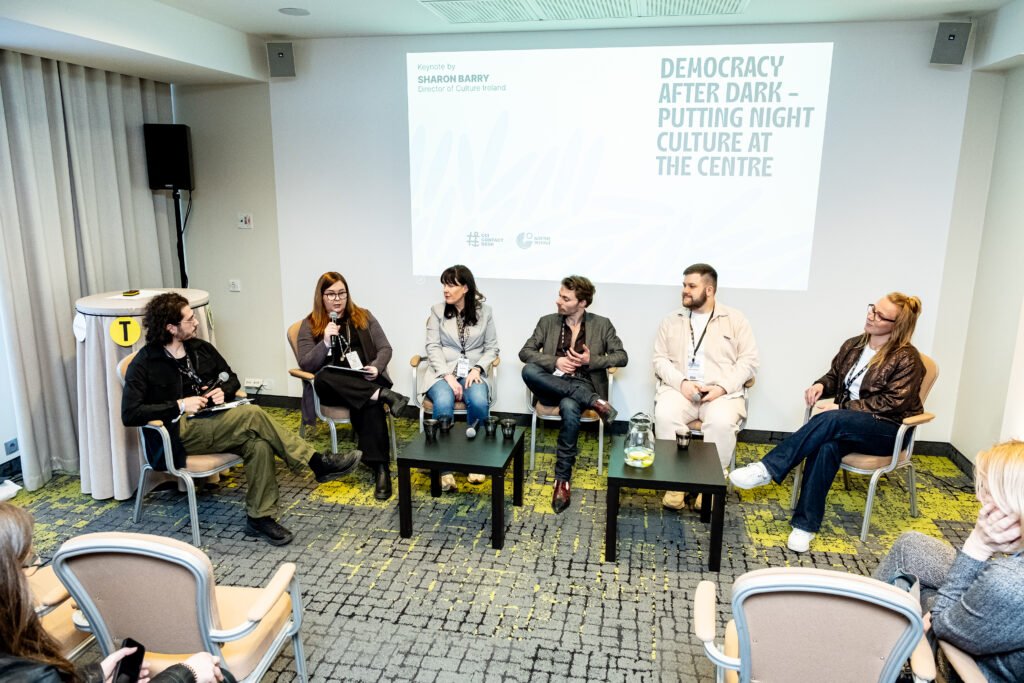
During the festival, Gabija also attended the panel “Democracy After Dark – Putting Night Culture At The Centre”, dedicated to the role of night culture in democratic urban life. The discussion focused on the idea that culture – especially night culture – is not only entertainment or leisure. It creates communities, gives people a space to meet, be visible and actively participate in city life.
Particularly memorable were the stories from Ukraine, where even during the war people continue to gather at concerts and cultural events because they provide a sense of unity, support and even resistance. Another important idea that emerged was that many of the issues that seem new or urgent today have long existed within nightlife and subcultures. For this reason, cities need not only to support culture, but to recognise it as an essential part of an open and democratic city.
One of the most inspiring aspects of the festival was the role of women. The programme featured many female artists, girl bands and strong stage personalities, while the festival itself is largely organised by women. This could be felt not only in the programme, but in the atmosphere of the whole event, with a strong emphasis on equality, representation and the visibility of different voices.
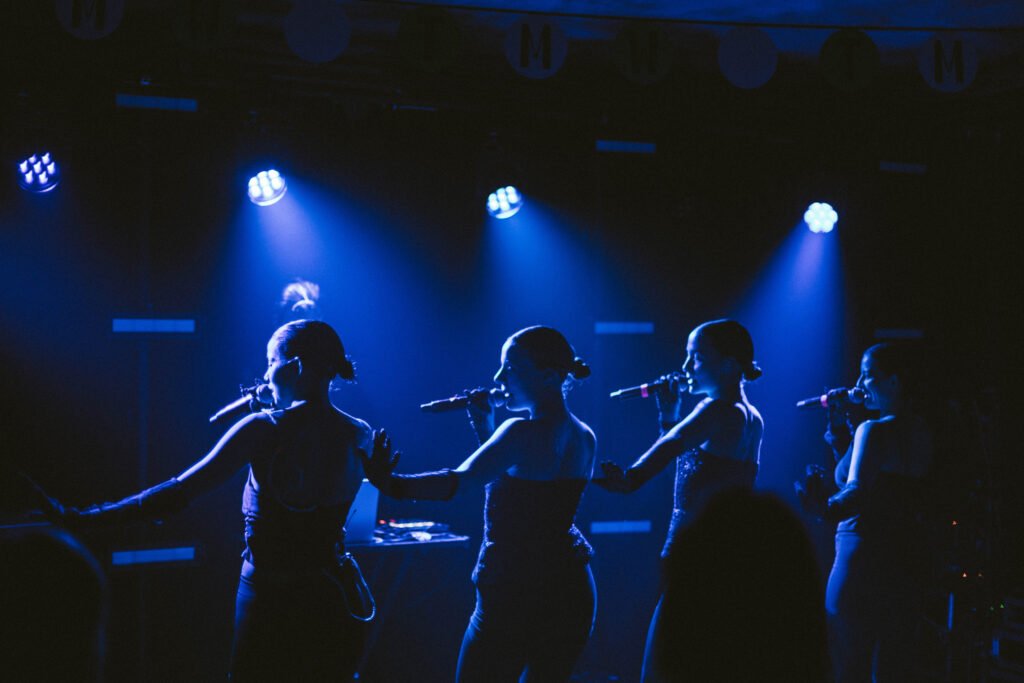
Among the most memorable performances was Doetre from Aarhus, Denmark. Their show was both sensitive and sharp: feminist lyrics, irony, strong visuals and a very distinctive sound. There were also several Lithuanian names in the programme – Migluma, Kabloonak, Katarsis and Griefgod all performed in Tallinn. It was great to see Lithuanian artists feeling confident and at home on an international stage.
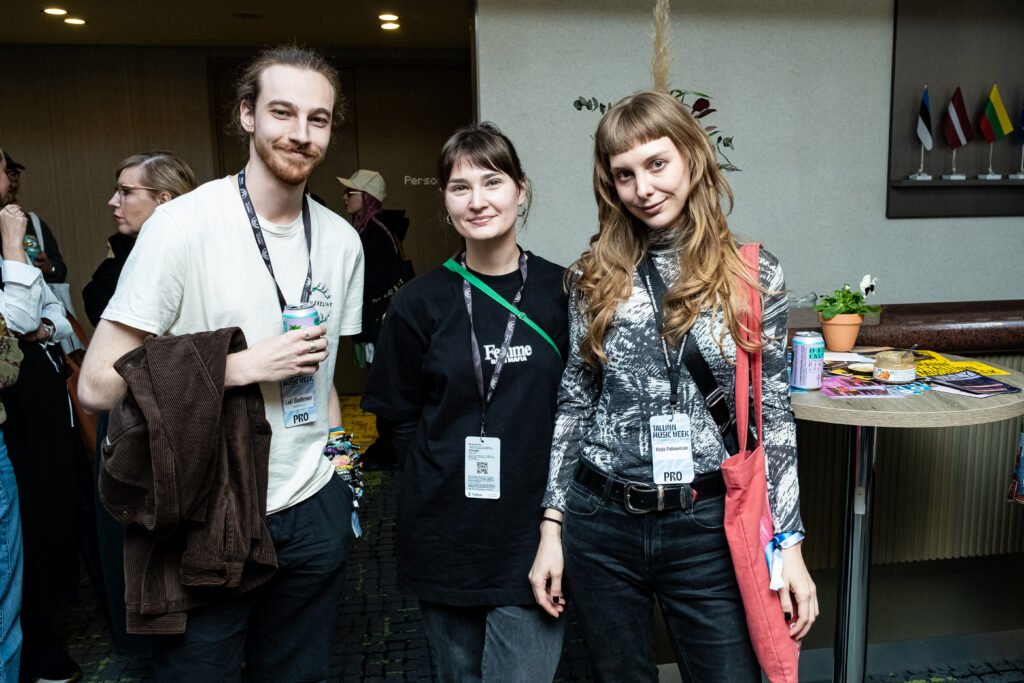
Vilnius returned from Tallinn not only with new contacts, but also with a great deal of inspiration. Meetings like these help us better understand how different cities respond to similar challenges, and remind us that Vilnius, too, has much to be proud of – a strong, creative and increasingly visible music scene.