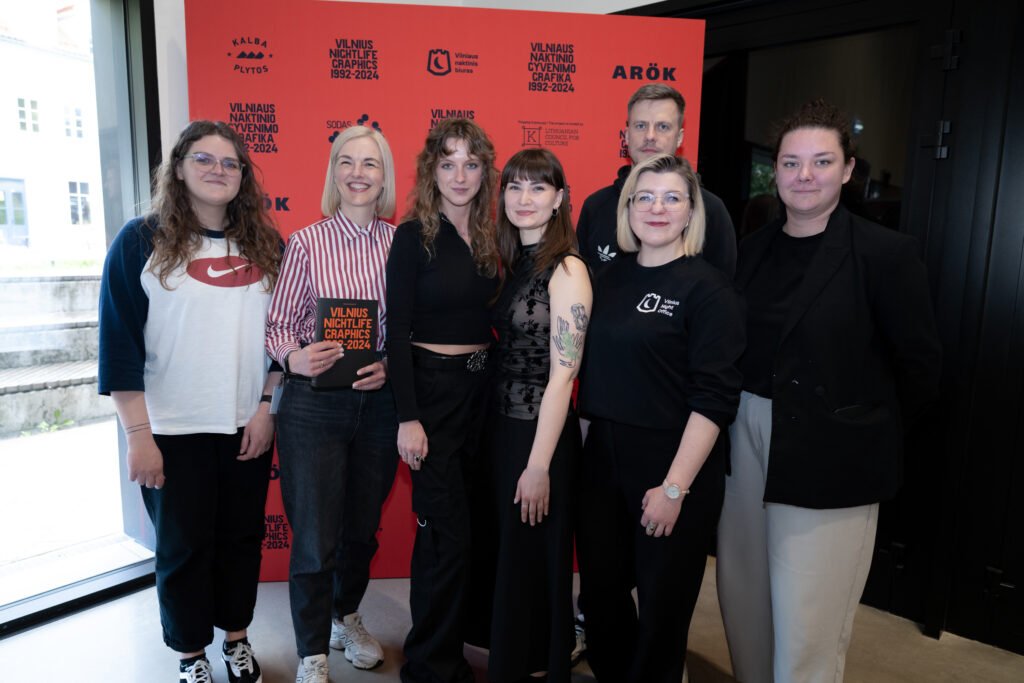
On May 29, the MO Museum hosted the presentation of graphic designer Ringailė Demšytė's book Vilnius Nightlife Graphics 1992–2024 – the first publication of its kind documenting more than three decades of Vilnius' visual nightlife culture.
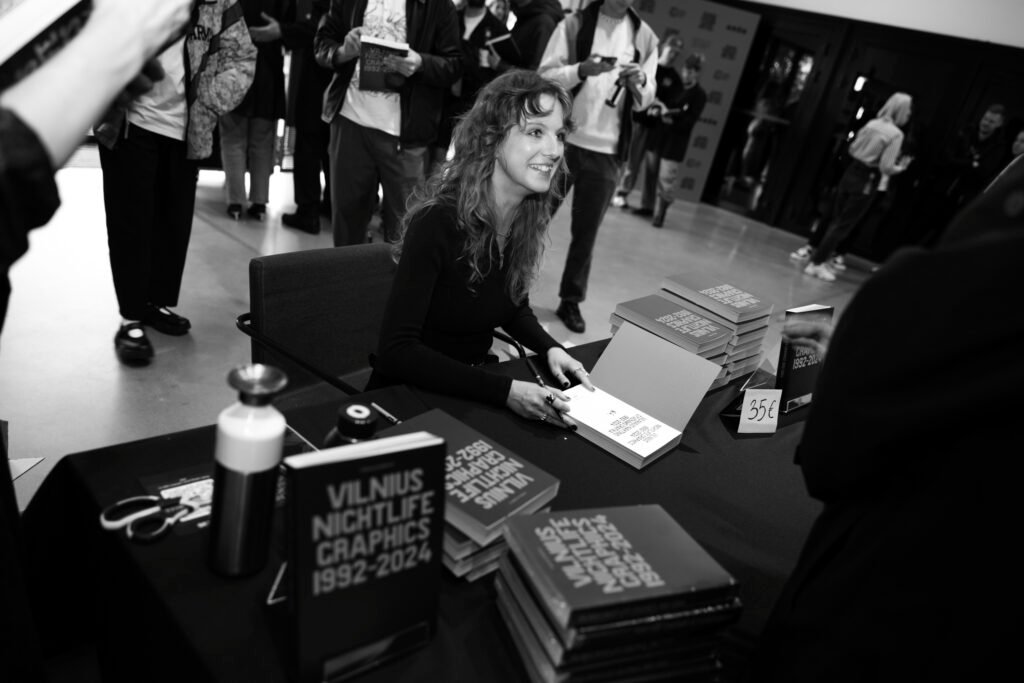
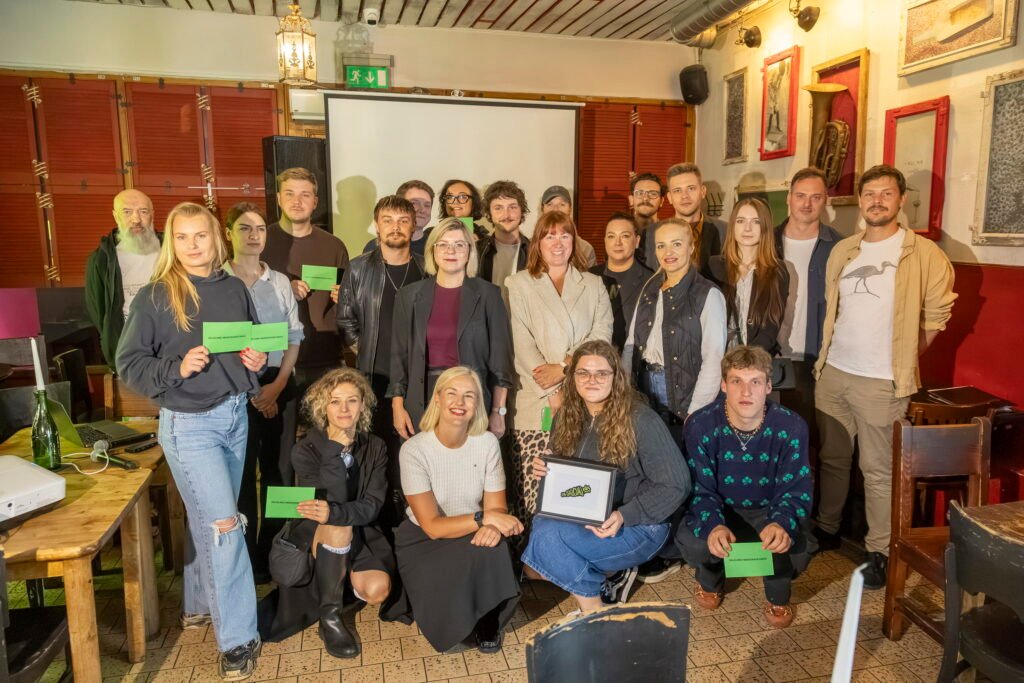
Around 150 people attended the book launch, filling the museum hall to capacity. The audience included event organizers, music scene representatives, creatives, publishers, graphic designers, DJs, dancers, and long-time participants of Vilnius nightlife – the very community whose stories and experiences the book seeks to preserve for future generations.
The publication features more than 350 carefully selected visuals, including posters, flyers, event communication materials, and interviews with scene creators and participants, tracing the development of Vilnius nightlife from the first rave parties to the present day. Covering the period from 1992 to 2024, the book serves not only as a visual archive but also as an important document of the city's cultural memory.
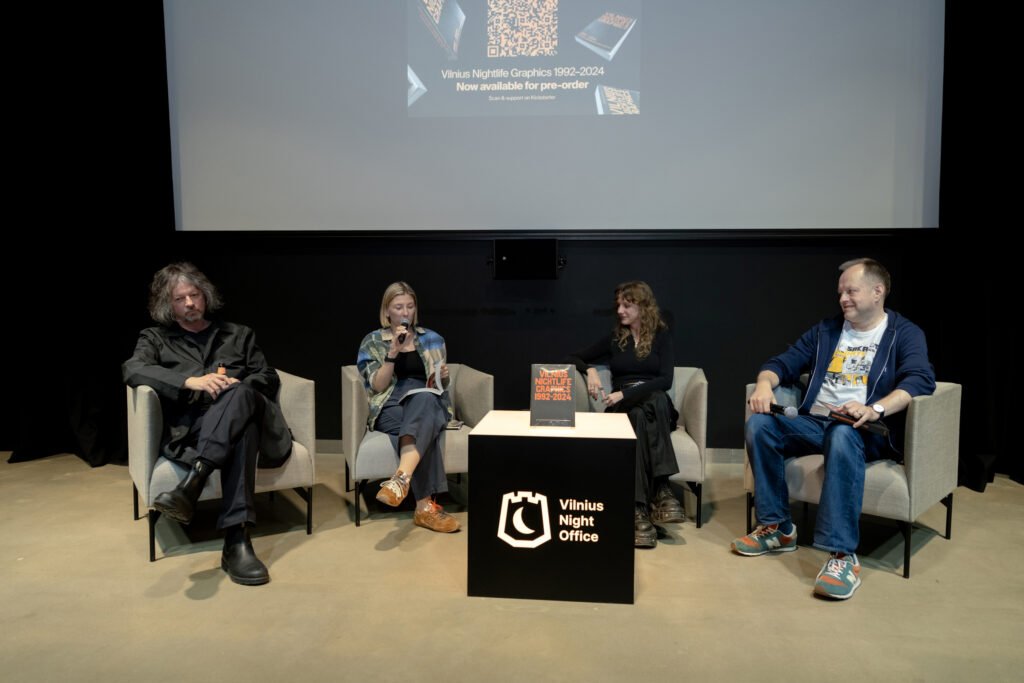
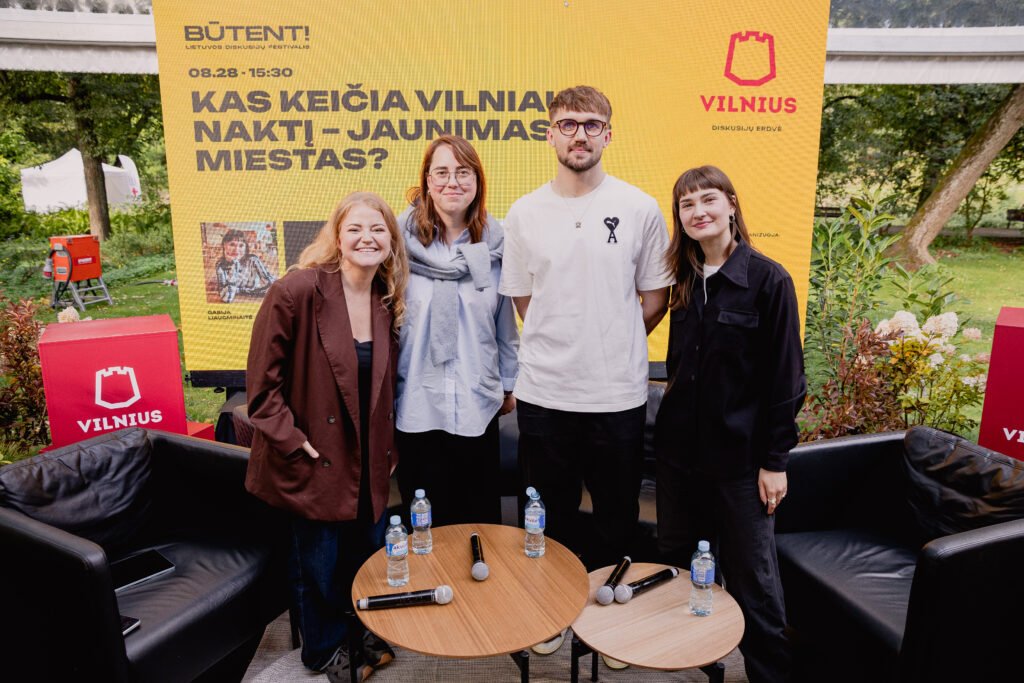
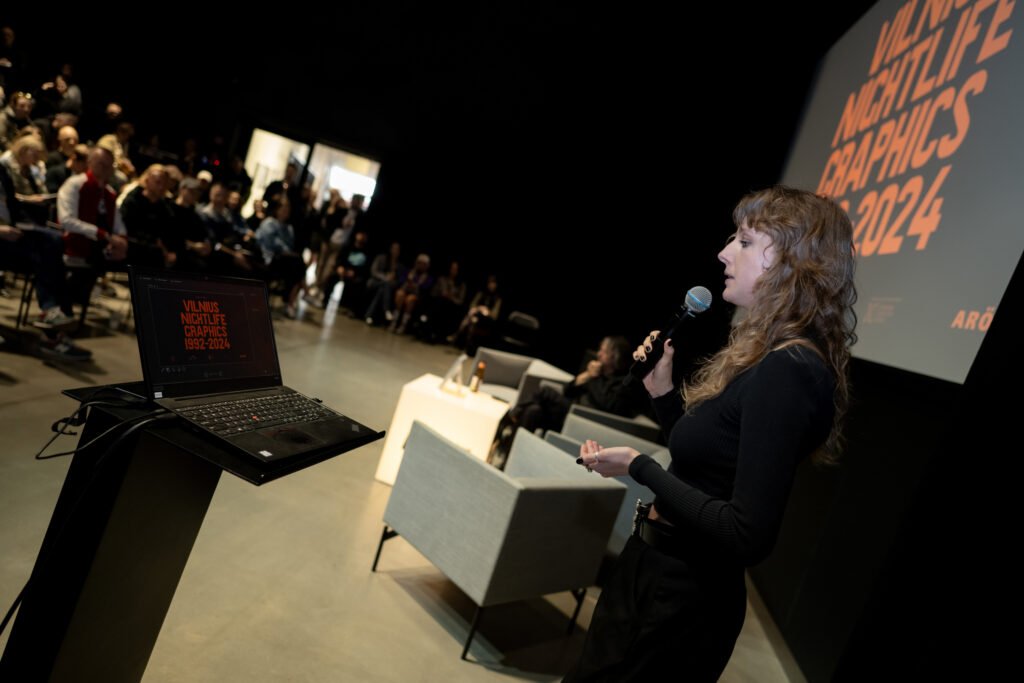
During the event, journalist Kotryna Lingienė and Rimas Šapauskas shared memories and reflections on the city's nightlife history. Ringailė Demšytė, together with publisher and photographer Andrew Mikšys, spoke about the process of creating the book, searching through archives, and the unexpected discoveries encountered along the way.
Discussing the publication, they emphasized that every flyer and poster contains its own unique story. Some evoke memories of legendary parties, others recall venues and communities that existed only briefly, yet together they create a distinctive narrative of the city's cultural life. Throughout the discussion, speakers highlighted how, during the early years of Lithuania's independence, flyers were among the most important means of promoting events – passed from hand to hand, kept as souvenirs, and sometimes even used to claim discounts at the door.
Ringailė Demšytė noted that community members contributed so much archival material that it could easily fill not only a second but even a third volume. She also reflected on how the book-making process became one of the most inspiring periods of her life and described the opportunity to preserve these stories as an important gift to Vilnius and its cultural community.
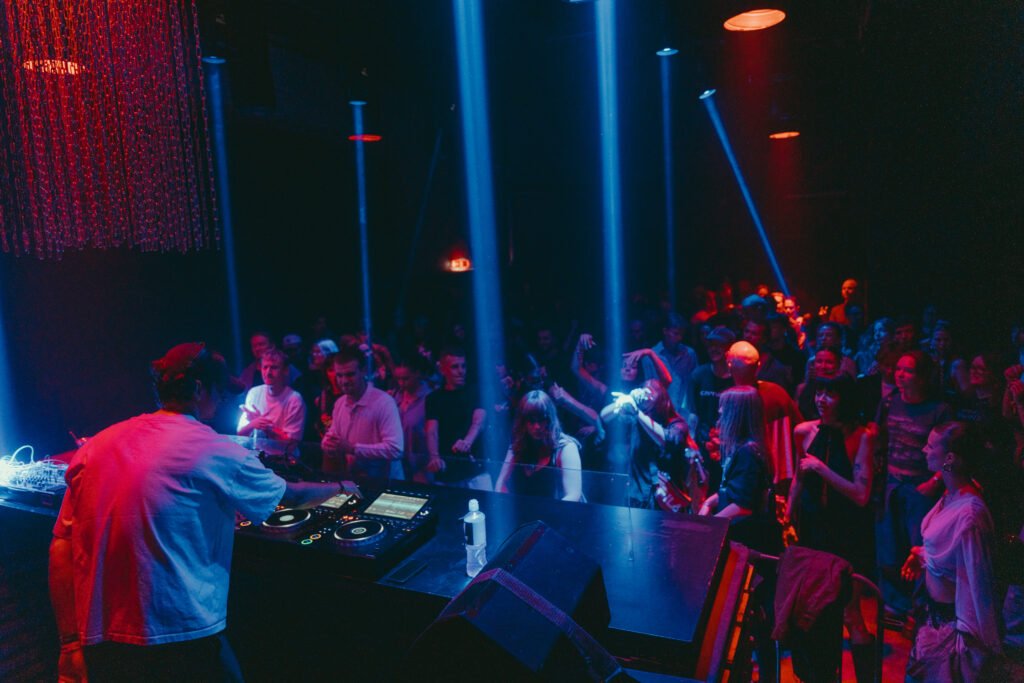
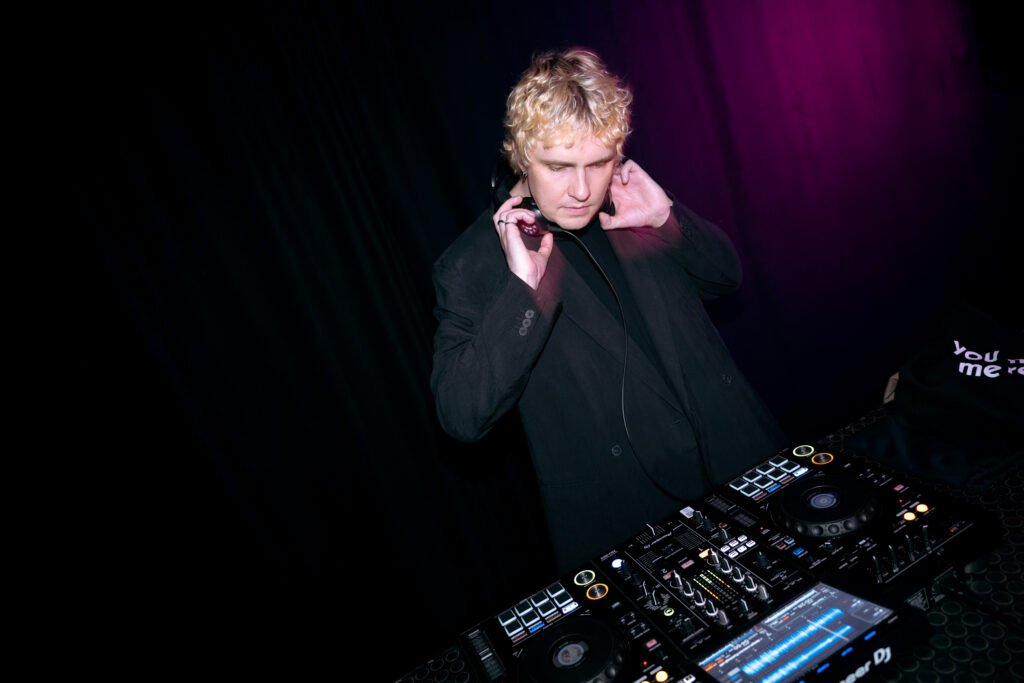
Following the presentation, the event continued at the SODAS 2123 cultural complex. The afterparty featured performances by the legendary DJ Mario Moretti, DJ EMI, and Ambroza. Visitors had the opportunity not only to meet the author and purchase the book, but also to continue the evening through dancing and informal conversations.
Vilnius Nightlife Graphics 1992–2024 is a significant contribution to documenting the cultural history of the city. The publication demonstrates that nightlife is an integral part of Vilnius' identity, while its visual culture serves as a valuable historical source, revealing the creative communities, aesthetics, and ideas that have shaped different eras.
We are proud to have contributed to the launch of this publication and congratulate Ringailė Demšytė on this remarkable achievement. Projects like this help preserve the city's cultural memory, strengthen communities, and remind us that important histories are often found not only in major events, but also in the small details that have been carefully preserved.