In 2025, 17 music venues in Vilnius organized 1,360 events featuring as many as 2,825 performers. These figures show that small music and performance spaces play an important role in Vilnius’s cultural life. As many as 88% of all performers were local artists.
Last year, the venues operated in six districts of Vilnius: the Old Town, Šnipiškės, Naujoji Vilnia, Naujamiestis, Antakalnis, and Žvėrynas. A total of 387 bands and 692 solo artists performed there. This highlights the high level of activity in these spaces and their importance to the city’s cultural ecosystem, as well as the accessibility of live performances across different parts of the city.
“The first year of the music venues initiative is encouraging, with the number of events continuing to grow. These venues bring communities together, create space for new talent, and build a close connection between performers and audiences. This is the foundation of a living culture,” says Vilnius Mayor Valdas Benkunskas.
These music venues are small, independent cultural and musical spaces where concerts, experimental performances, and other events take place. They are characterized by a closer relationship with audiences, more affordable prices, and a consistent focus on emerging performers. It is often in places like these that artists begin their journey to larger stages.
The venues also help create a safer nightlife environment. They educate visitors on relevant issues, strengthen staff competencies through training, ensure free drinking water is available, and introduce practices that help create safer spaces for both visitors and employees.
“These figures clearly show that music venues in Vilnius are not a marginal cultural phenomenon. They are a vital part of the city’s music and nightlife ecosystem—places where talent grows and communities come together. They help keep Vilnius vibrant, open, and creative,” says Laura Vaišnorė, Director of the Vilnius Night Office.
The activities of these venues are often driven by the commitment and long-term work of their founders and managers. These spaces face financial, regulatory, and competitive challenges, but their contribution to the city’s cultural life remains highly significant.
“As the leading jazz club in Vilnius, we see and understand that a music venue is part of the city’s cultural infrastructure, where both creators and listeners grow, tastes are shaped, connections are formed, and the seeds of future culture are planted,” says Dmitrijus Golovanovas, head of Jazz Cellar 11.
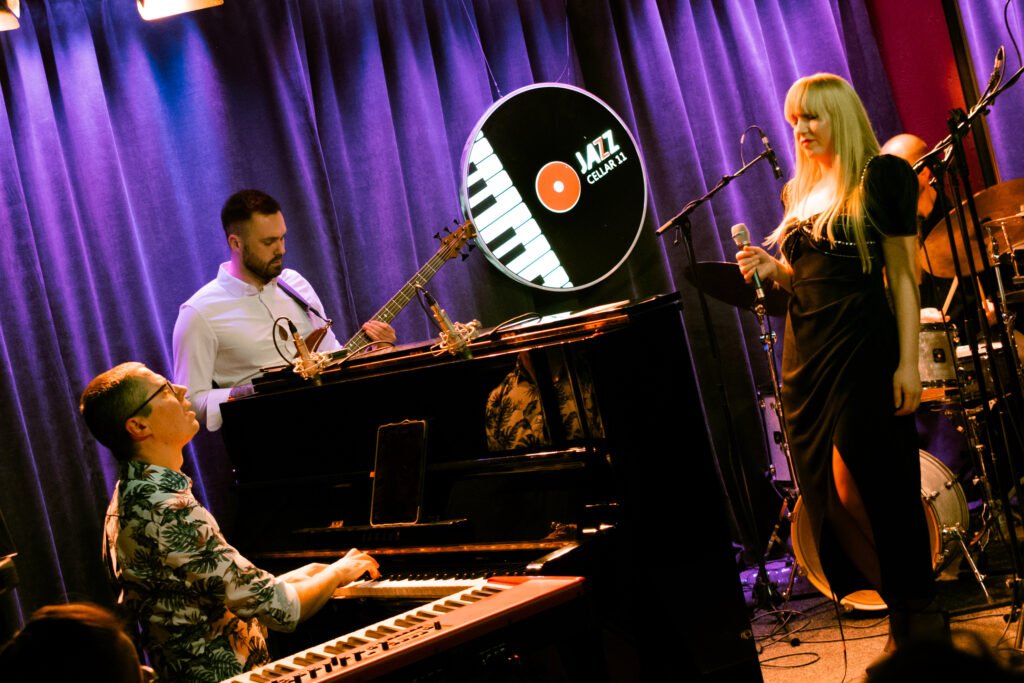
Vilnius music venues are becoming one of the brightest success stories in the city’s cultural ecosystem. Interest in this initiative has spread beyond Lithuania’s borders—it has been discussed at international conferences in Berlin, Tallinn, and Riga. At the same time, considerable attention is being given to strengthening these spaces in practical ways: staff training is organized to build competencies and create safer environments. Together with Go Vilnius, their activities are being promoted, the venues are featured on tourist maps, in advertising campaigns, and through collaborations with content creators, while communication on social media has attracted significant attention.
The results of the past year confirm that these music venues hold an important place in Vilnius’s cultural ecosystem. In order to ensure the continuity of their activities and strengthen the city’s live music scene, a two-year Vilnius City Municipality competition is currently underway to provide financial support for music venue events in 2026–2027.