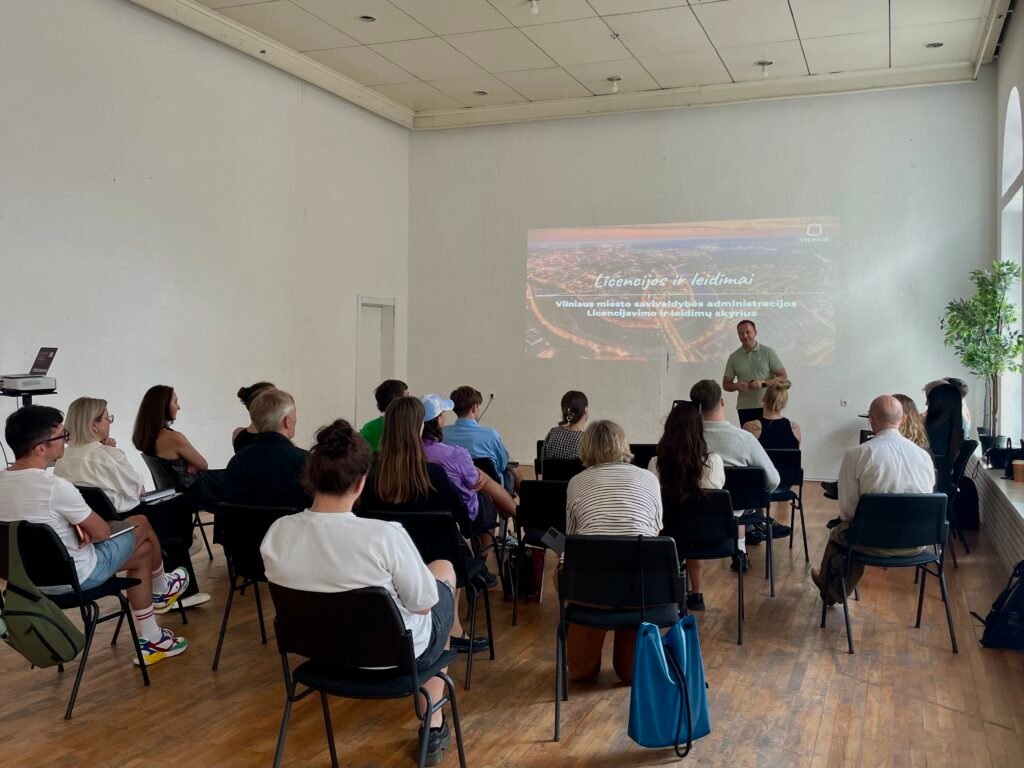
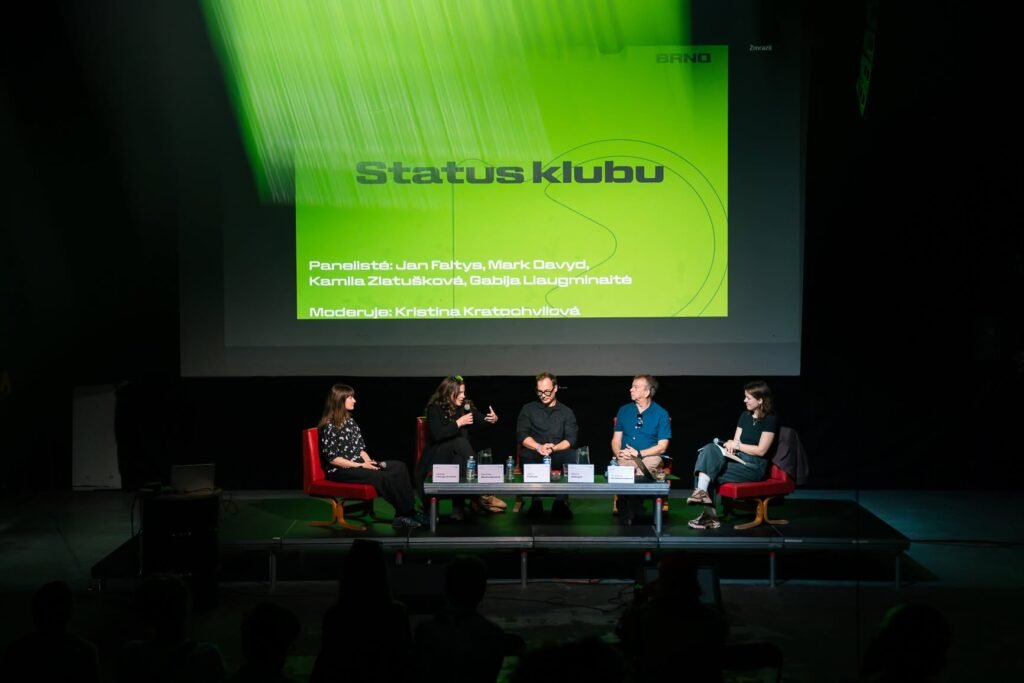
Vilnius has become one of seven European cities working to develop a shared approach to night-time economy governance. The newly launched Interreg Europe project NITIES (Night-Time Economy Strategies) will help municipalities systematically plan activities taking place after 6:00 PM, with the aim of maximising the cultural and economic benefits of the night while reducing negative impacts on residents.
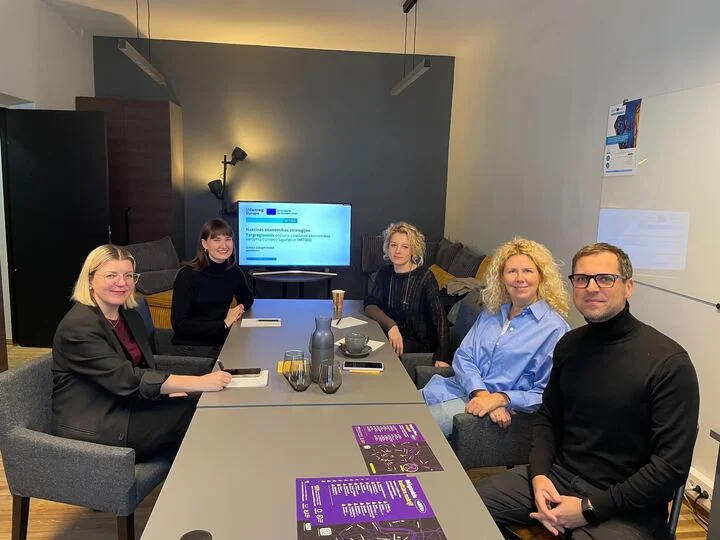
The night-time economy encompasses cultural, social, and economic activities that take place between 6:00 PM and 6:00 AM – from bars and concerts to health, transport, and public safety services. It contributes to urban vitality, creates jobs, supports tourism, and promotes cultural diversity.
“The night-time economy is much more than bars and concerts. It also involves issues of safety, health, culture, and mobility. The NITIES project gives Vilnius an opportunity to strengthen cooperation and learn from international experience in order to ensure that nightlife in the city remains vibrant, balanced, and sustainable,” says Laura Vaišnorė, Head of the Vilnius Night Office.
The Vilnius Night Office acts as a mediator between the municipality, businesses, the cultural sector, and local communities to address nightlife-related challenges. The Office initiates projects, monitors and shapes a safe and attractive night-time environment, balances different interests, and collects data that informs municipal decision-making.
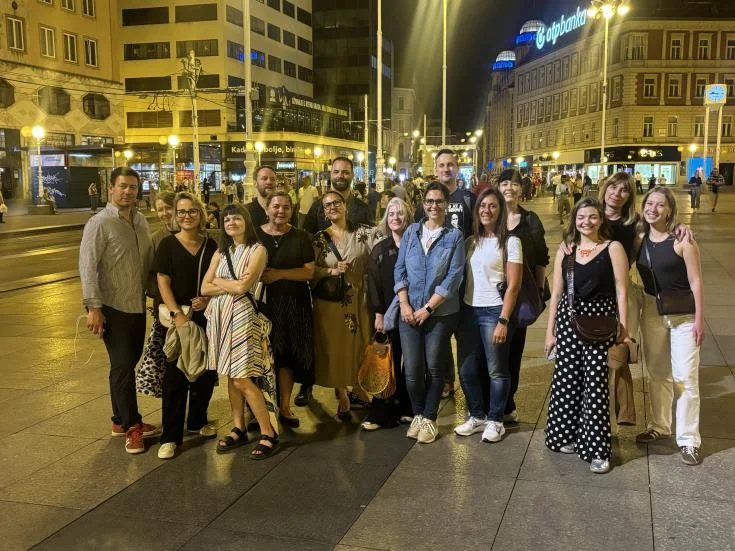
The NITIES project officially launched in Zagreb, where partners from Warsaw, Tallinn, Galway, Sarajevo, the Friuli Venezia Giulia Region, and Zagreb gathered for the first project meeting. Each partner city aims to improve a specific policy instrument. Vilnius has chosen to integrate night-time economy principles into its Strategic Development Plan, establishing clear objectives, measures, and indicators.
A local working group has already been established in Vilnius, bringing together representatives from culture, business, communities, health, and public safety. Together, they are developing a shared nightlife data framework and discussing a range of initiatives, including extended hours for night-time events, increased access to public spaces at night, pilot night-time cultural programmes, night sports activities, the digitalisation of night tourism, and strengthening live music provision in bars and restaurants. These ideas reflect the city’s ambition to reinforce its musical and cultural identity while creating a safe, diverse, and vibrant urban experience after dark.
“Vilnius is becoming a city that sees the night not as a challenge, but as an opportunity. We want culture, safety, and city life to work together, and that is only possible through collaboration between all stakeholders,” says Laura Vaišnorė.
The NITIES project will help refine solutions related to noise management, permits for events taking place after 10:00 PM, night-time mobility, and health and prevention measures. These changes will be integrated into the city’s strategic documents, with implementation monitored through 2029.
Similar night offices and night mayors already operate in more than 80 cities worldwide, from Amsterdam and Paris to New York. While each adapts to local circumstances, they share a common goal: creating vibrant, safe, and creative cities after dark.